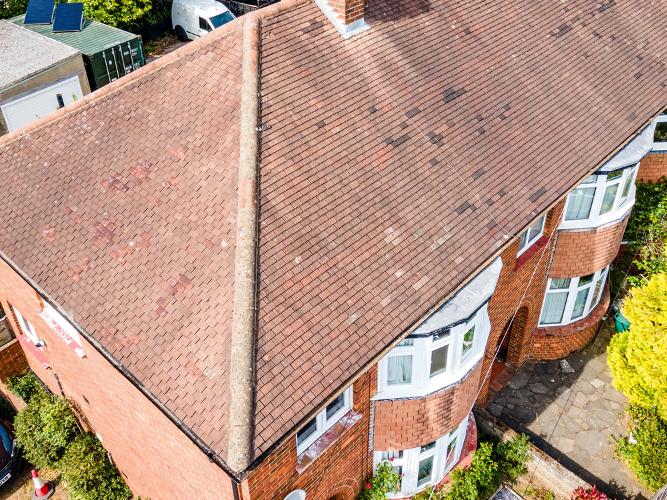
How Much Does a New Roof Cost in Surrey? (2026 Guide)
A new roof in Surrey typically costs approximately £6,500 to £22,000+ in 2026, depending on the roof size, material, access and condition of the existing structure. For a typical three-bedroom semi-detached house, a full roof replacement often falls between £9,000 and £16,500, before any significant structural repairs or specialist upgrades.
The final roof replacement cost in Surrey can vary because no two roofs are identical. Tile or slate choice, roof pitch, scaffolding, chimneys, valleys, rotten timber and waste removal can all affect the price. An on-site inspection is the most reliable way to assess the work required. Contact Bookham Roofing to arrange a free roof survey and property-specific quotation.
New Roof Costs at a Glance
The table below provides a practical starting point for homeowners asking how much for a new roof. These are typical Surrey guide prices for straightforward projects, rather than fixed quotations.
|
Roof or property type |
Typical 2026 cost |
What the estimate includes |
|
Concrete tiled pitched roof |
£6,500–£15,000 |
Standard re-roofing labour, tiles, underlay, battens, removal of old covering and typical scaffolding |
|
Clay tiled pitched roof |
£8,500–£19,000 |
As above, using higher-cost clay tiles |
|
Natural slate roof |
£12,000–£30,000+ |
Slate covering, associated roofing materials, labour and standard access provision |
|
Flat roof replacement |
£1,800–£8,500 |
Typical felt, EPDM or GRP system for a garage, extension or small flat roof |
|
Semi-detached house |
£9,000–£16,500 |
Typical full re-roof using concrete tiles, subject to roof size and complexity |
|
Detached house |
£13,000–£28,000+ |
Larger roof area, more materials, labour and often more complex access |
|
Conservatory roof replacement |
£4,500–£14,000+ |
Varies considerably by size, structure and replacement roof system |
Roof Replacement Cost by Roof Type
The material selected has a major effect on the new roof cost per m², but it is not the only factor. The preparation beneath the roof covering, roof shape, access and installation details are equally important to the long-term result.
|
Roof type |
Typical total cost |
Expected lifespan |
|
Concrete roof tiles |
£6,500–£15,000 |
Approximately 40–60 years |
|
Clay roof tiles |
£8,500–£19,000 |
Approximately 60–100 years |
|
Natural slate |
£12,000–£30,000+ |
Often 80–120+ years, depending on slate quality |
|
Felt flat roofing |
£1,800–£5,500 |
Approximately 15–25 years |
|
EPDM rubber roofing |
£2,200–£6,500 |
Approximately 25–40 years |
|
GRP fibreglass roofing |
£2,500–£8,500 |
Approximately 25–35 years |
|
Conservatory roof replacement |
£4,500–£14,000+ |
Varies by roof system and structure |
The figures above are usually for replacing the roof covering and standard roofing layers. They do not necessarily include major structural work, such as replacing roof rafters, rebuilding a roof deck or correcting substantial movement in the roof structure.
How Much Does It Cost to Re-tile a Roof?
For a typical Surrey home, re-tiling a roof with concrete tiles may cost approximately £95 to £165 per m², including standard labour and roofing materials. Concrete tiles are widely used because they offer a practical balance between durability, appearance and cost. They are generally heavier than slate, so the suitability of the roof structure should be checked where a material change is proposed.
A full concrete tile re-roof on a three-bedroom semi-detached house may commonly fall in the region of £9,000 to £16,500, depending on the true roof area, number of roof slopes, scaffolding needs and whether new underlay and battens are required.
Clay tiles are generally more expensive, often costing around £130 to £220 per m² installed. They can offer a distinctive finish and long lifespan, but material costs and the care needed during installation can increase the overall price. Reclaimed, handmade or specialist-profile clay tiles can cost more than standard machine-made products.
When comparing re-tiling quotations, check whether the price includes stripping the old tiles, replacing the breathable membrane and battens, renewing ridge and verge details, leadwork, waste removal and scaffold access. Simply placing new tiles over an existing roof is not usually equivalent to a full re-roof.
How Much Does It Cost to Re-slate a Roof?
Natural slate is one of the highest-cost roofing materials, but it can provide exceptional longevity when selected and installed correctly. In Surrey, re-slating a roof typically costs around £190 to £350+ per m², with a total price often starting from around £12,000 for smaller or simpler roofs and rising substantially for larger, steep or complex properties.
The cost of re-slating depends on the slate source, thickness, size and grading. Welsh slate and other premium natural slates tend to cost more than imported alternatives, although a suitable material should be selected for the roof rather than simply choosing the lowest price. Labour is also higher because slates require careful fixing, cutting and detailing around valleys, chimneys and roof junctions.
A natural slate roof can last for many decades, sometimes more than a century, but the supporting components do not always last as long. Underlay, battens, fixings, leadwork and timber may need attention before the slate itself reaches the end of its serviceable life. This is why a survey should distinguish between isolated slate repairs, re-slating and more extensive structural work.
How Much Does a Flat Roof Cost per m²?
Flat roof cost per m² depends on the waterproofing system, roof size, edge details, insulation, drainage and the condition of the deck beneath. Small flat roofs can have a higher cost per square metre because preparation, trims and labour are spread across a smaller area.
|
Flat-roof system |
Typical cost per m² |
Approximate lifespan |
Key consideration |
|
Felt flat roofing |
£75–£125 per m² |
15–25 years |
Often a cost-effective option for standard garages and extensions |
|
EPDM rubber roofing |
£90–£145 per m² |
25–40 years |
Durable single-piece membrane with fewer joints on suitable roof shapes |
|
GRP fibreglass roofing |
£110–£175 per m² |
25–35 years |
Seamless, hard-wearing finish; preparation and dry installation conditions matter |
|
Liquid roofing system |
£100–£190+ per m² |
Varies by system |
Can be useful for complex shapes or overlays where suitable |
A garage or extension flat roof may cost from approximately £1,800 to £5,500 for felt, while EPDM or GRP installations can commonly range from £2,200 to £8,500, depending on size and specification. If the roof deck has deteriorated, replacing it will add to the cost.
How Is the Cost of a New Roof Calculated?
A roofing contractor will calculate the cost from the actual roof area and specification, not simply the internal floor area of the property. A roof is measured along its slopes, and a steeper roof has more surface area than a shallow roof covering the same building footprint.
A typical roof cost calculation considers material quantities, labour, access, disposal, details such as valleys and chimneys, and any repairs uncovered after the existing covering is removed.
Illustrative example only: typical tiled semi-detached roof
This example is a guide, not a quotation.
- Measured sloping roof area: 105 m²
- Concrete tile re-roofing system: approximately £115 per m²
105 m² × £115 = £12,075
- Additional allowance for standard ridge, verge and roof details: approximately £900
- Typical scaffolding and waste allowance: approximately £1,500
Illustrative total: approximately £14,475, excluding VAT unless stated
The actual figure could be lower or higher. A roof with simple gable ends and good access may cost less, while a hip roof with chimneys, valleys, difficult access or timber repairs may cost more.
An online roof cost calculator can be useful for a broad budget estimate, but it cannot inspect the condition of battens, underlay, roof decking or structural timber. It also cannot accurately judge scaffold requirements, parking restrictions or complex roof details from a postcode alone.
What Affects the Cost of a New Roof?
A roof replacement quotation is built around the work needed for a particular property. The following factors explain why one roof can cost considerably more than another of a similar apparent size.
Roof Size and Pitch
A larger roof needs more tiles or slate, membrane, battens, fixings and labour. Roof area is measured over the slopes, not from the property's internal floor plan. A steep roof has a greater true surface area and can require additional safety measures, slower working methods and more material.
Tiles, Slate or Flat-Roof Material
Concrete tiles are generally less expensive than clay tiles or natural slate. Natural slate has a higher material and installation cost, while EPDM, felt and GRP flat roofs have different preparation and finishing requirements. Premium materials may provide longer service life or a particular appearance, but they increase the initial budget.
Roof Shape and Complexity
Valleys, hips, dormers, rooflights and changes in roof level all create more junctions to weatherproof. These areas need additional cutting, flashing, trims and skilled labour. A simple two-slope roof is generally faster and less costly to replace than a roof with multiple intersecting sections.
Scaffolding and Access
Scaffolding can be a significant part of a roofing project, particularly on larger homes or where several elevations need access. Restricted side access, narrow roads, limited parking and rear-only access can add labour or require different scaffold arrangements. In some locations, pavement permits may be needed where scaffolding occupies public space.
Chimneys, Leadwork and Roof Details
Chimneys, abutments and roof junctions often rely on lead flashing to prevent water ingress. Replacing or repairing leadwork adds material and labour, especially where a chimney needs reflashing, repointing or rebuilding. Ridge tiles, dry ridge systems and verge details should also be clearly specified.
Structural and Timber Repairs
Removing the existing covering can reveal rotten battens, damaged decking, degraded rafters or previous repair issues. Replacing battens is common during a full re-roof, but substantial timber or structural repairs are separate work and can add significantly to the price.
Waste Disposal, Insulation and Ventilation
Old tiles, felt, timber and packaging must be removed and disposed of responsibly. Insulation upgrades, ventilation trays and breathable roof membranes can improve roof performance, but add materials and installation time. Hazardous materials or specialist waste, where present, require separate assessment and handling.
Additional Roofing Costs to Budget For
Not every roof replacement needs the items below. However, asking about them before work starts can help you understand the likely total cost and avoid comparing incomplete quotations.
|
Additional work |
Typical cost |
When it may be required |
|
Scaffolding |
£900–£3,500+ |
Most pitched roof replacements and difficult-access work |
|
Chimney repairs |
£400–£3,000+ |
Cracked brickwork, damaged pointing, pots, cowls or unstable stacks |
|
Lead flashing |
£350–£1,500+ |
Around chimneys, abutments, valleys and roof junctions |
|
Fascias and soffits |
£1,000–£3,500+ |
When roofline boards are worn, rotten or being upgraded |
|
Guttering |
£500–£1,800+ |
Where existing gutters are damaged or unsuitable |
|
Roof-deck replacement |
£45–£100+ per m² |
Flat roofs with damaged or rotten decking |
|
Timber repairs |
£300–£5,000+ |
Deteriorated rafters, trusses or structural roof timbers |
|
Insulation upgrade |
£30–£90+ per m² |
Where loft or warm-roof insulation is being improved |
|
Ventilation improvements |
£250–£1,200+ |
To help manage condensation and roof-space airflow |
|
Rooflights |
£700–£3,000+ each |
New or replacement roof windows and associated flashing |
|
Waste removal / skip hire |
£300–£1,200+ |
Where not already included in the contractor's price |
|
Permits |
Varies |
Where pavement occupation or parking suspension is required |
How Much Does a Roof Repair Cost?
The average roof repair cost depends on whether the issue can be safely reached from a ladder, requires scaffold access, involves specialist materials or has caused hidden damage beneath the covering. Small repairs can still require a minimum visit, labour or access charge.
|
Common roof repair |
Typical price |
What affects the cost |
|
Replacing slipped or broken tiles |
£180–£500 |
Number of tiles, height, matching materials and access |
|
Lead-flashing repair |
£300–£900 |
Length of flashing, location and extent of deterioration |
|
Chimney reflashing |
£600–£1,800+ |
Scaffold needs, chimney condition and amount of leadwork |
|
Ridge-tile repair or rebedding |
£350–£1,200+ |
Length of ridge, mortar condition and whether a dry ridge system is fitted |
|
Roof-valley repair |
£700–£2,500+ |
Valley length, covering type, access and surrounding damage |
|
Flat-roof patch repair |
£250–£900 |
Membrane type, size of defect and condition of the deck |
|
Replacing a larger damaged roof section |
£1,200–£5,000+ |
Area affected, material choice, structural condition and access |
A few replacement tiles may be relatively inexpensive when safe ladder access is possible. However, work at height must be carried out safely, and scaffold may be needed for larger repairs or difficult locations. This is why a small visible defect does not always mean a very small bill.
Emergency roof repairs may also cost more where urgent attendance, temporary weatherproofing or out-of-hours work is required. A prompt inspection can help determine whether a temporary repair is appropriate or whether a more permanent solution is needed.
Is It Better to Repair or Replace a Roof?
A complete roof replacement is not always the best answer. The right option depends on the age of the roof, the extent of the problem, the condition of the underlying layers and whether repair work is likely to provide a lasting result.
When a Roof Repair May Be Enough
A localised repair may be suitable where:
- Only a small number of tiles or slates are damaged or missing
- Lead flashing has failed in one isolated area
- A ridge tile, valley or rooflight detail needs repair
- The roof is otherwise in good condition
- The underlay, battens and roof structure remain sound
- There is no widespread leaking, sagging or repeated failure
A targeted repair can be good value when the fault is limited and the wider roof is still performing well. For example, wind-damaged tiles, a small flat-roof split or deteriorated flashing around a chimney may not justify re-roofing the entire property.
When Roof Replacement May Offer Better Value
Roof replacement may be more cost-effective where:
- Repairs are needed repeatedly across different areas
- Tiles or slates are failing widely and difficult to match
- The roof is near or beyond its expected service life
- Underlay and battens are degraded beneath the covering
- There are ongoing leaks affecting several areas
- Major timber, deck or structural issues are found
- The roof needs insulation, ventilation or detailing upgrades as part of wider work
Repeated patch repairs can become poor long-term value if the rest of the roof is deteriorating. A new covering alone may still not be enough if the battens, roof deck or structural timbers have been compromised. An inspection helps identify whether the issue is genuinely localised or part of a wider decline.
Before choosing between repair and replacement, ask for a clear explanation of the roof's condition, the expected lifespan of a repair and any risks of further work becoming necessary.
What Should a Roof Replacement Quote Include?
A detailed roofing quotation should explain the scope of work, rather than only giving a single total. Comparing the scope of two quotes is usually more useful than choosing the lowest headline price, as one contractor may have allowed for important items that another has excluded.
Ask whether the quotation confirms:
- The roof areas and sections included
- Whether the old roof covering will be removed
- Whether underlay and battens will be replaced
- The tile, slate or flat-roof system being installed
- Scaffolding requirements and whether scaffold costs are included
- Waste removal and disposal arrangements
- Ridge, verge, valley and roof junction details
- Chimney work and lead flashing allowances
- Ventilation and insulation work, where relevant
- Fascias, soffits and guttering, if required
- VAT treatment and whether VAT is included
- The process if hidden structural damage is found
- Any workmanship or material guarantees that apply
A quotation should also make clear whether it is based on a full re-roof, an overlay, a repair or a partial replacement. These are different levels of work and should not be treated as directly comparable.
How Long Does It Take to Replace a Roof?
A straightforward roof replacement can often be completed within days rather than weeks, but the exact programme depends on roof size, complexity, weather, access and the condition found once the old covering is removed.
|
Roof or property type |
Typical timescale |
Possible causes of delay |
|
Terraced property |
Approximately 4–7 working days |
Restricted access, party-wall details, weather and chimney work |
|
Three-bedroom semi-detached house |
Approximately 5–10 working days |
Hips, valleys, extensions, rooflights or timber repairs |
|
Detached property |
Approximately 8–15+ working days |
Larger roof area, complex design, multiple chimneys and additional scaffold |
|
Garage or extension flat roof |
Approximately 1–4 working days |
Deck replacement, insulation upgrades, drainage work and curing conditions |
Structural repairs can extend the project, particularly if damaged rafters, roof decking or supporting timbers are discovered. Material availability can also affect start dates or progress on specialist slate and tile projects.
Weather matters because roof coverings must be installed in safe, suitable conditions. Rain, strong winds, frost and unexpected defects can cause delays, although contractors will normally aim to keep the property weather-protected while work is underway.
Roof Replacement Costs Across Surrey
Homeowners in Leatherhead, Cobham, Dorking, Ashtead, Guildford, Tadworth, Redhill, Woking, Epsom and Weybridge may see differences in access, parking and scaffold logistics from one property to another. However, the town itself usually has less effect on the quotation than the roof's size, pitch, design, materials, condition and access requirements.
For example, limited parking, narrow access routes or the need for pavement scaffolding can affect a project in any Surrey location. Likewise, a simple roof in one town may cost less than a complex roof of similar age in another. Where dedicated local roofing pages are available, they should be used alongside this guide for service-area information; the survey remains the best way to receive an accurate price.
Get an Accurate Price for Your New Roof
For most Surrey properties, a new roof will typically cost between £6,500 and £22,000+, while a three-bedroom semi-detached house often falls around £9,000 to £16,500 for a standard tiled re-roof. The final figure depends on the measured roof area, roof material, complexity, scaffolding, access and whether underlying repairs are needed.
A physical survey gives a more reliable answer than an online roof cost calculator because it allows the roof condition, details and access to be assessed properly. Bookham Roofing can explain the proposed work clearly, provide a property-specific quotation and answer your questions before you decide how to proceed.
Arrange Your Free Roof Survey
Planning a roof replacement, re-roofing project or major repair in Surrey? Arrange a free roof survey with Bookham Roofing. We will assess the condition of your roof, discuss suitable options and provide a clear quotation based on the work your property actually needs.
Our Roofing Service Enquire Now